
Liam's LinkedIn Picks — Edition #1
What is this?
There's so much going on right now and it's hard to keep up with writing a single newsletter about a single topic each week. I still send newsletters throughout the week, but this is a weekly digest of my top picks from LinkedIn with my take on each one.
Bottom Line Up Front
The internet is being rebuilt around agents, and this week's saves are largely focused on that evolution. New rules for the AI internet, a public company refounding itself for agents instead of dashboards, a map of the consumer agent market, a live protocol for telling agents from humans, AI joining team calls as a participant, a writing format built for AI extraction, and LinkedIn rebuilding its app around creators.
- The AI internet has new rules: search becomes a destination, distribution becomes the scarce asset, and data rights become a product. (Saanya Ojha)
- Software is going headless. HubSpot's refounding points at products agents use directly, not dashboards people click through. (Dharmesh Shah)
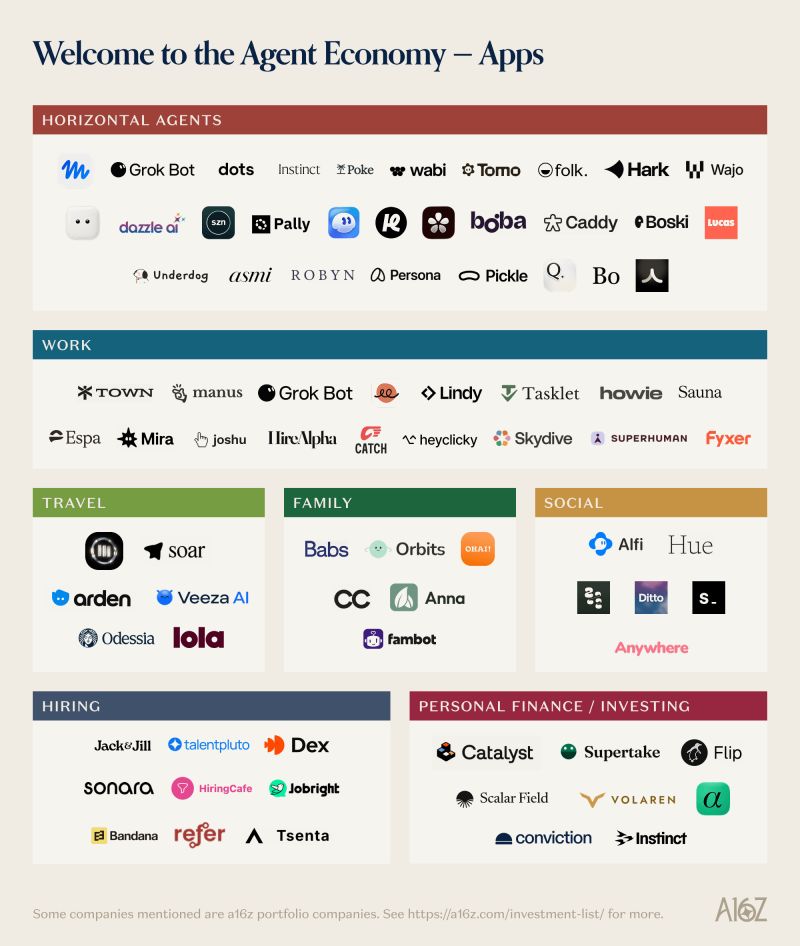
- Every person is about to run several agents at once, and distribution decides which agent companies win. (Olivia Moore, a16z)
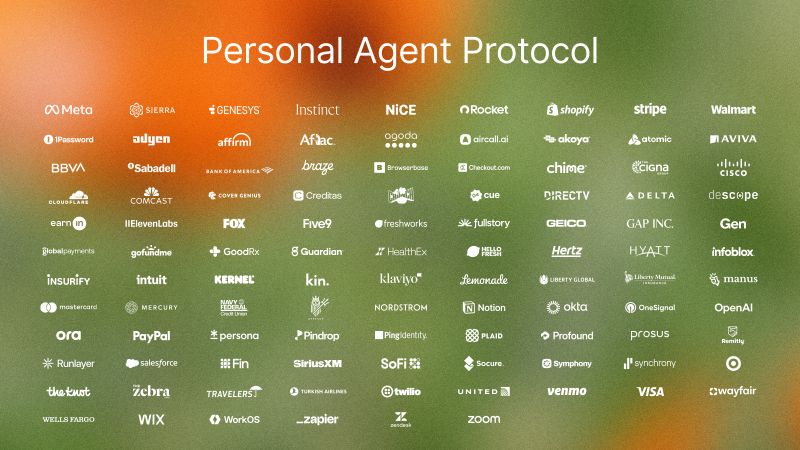
- Agents need a standard way to identify themselves to businesses. Sierra's Personal Agent Protocol is live, on for Muse users and every Shopify merchant, with 100+ brands behind it. (Sierra)
- Meeting note takers were the warm up. AI is joining calls as a participant, and the pattern is voice in, agent executed. (Conor Grennan)
- Writing for AI means bottom line up front, key takeaways at the top, and paragraphs that can stand alone as citations. This block is that practice, applied. (Tom Johnson, via Michael King)
- LinkedIn is investing in creators: a refreshed mobile app, a For You feed split from your network feed, and a creator marketplace where brands reach out. (Sarah Alpern)
Saanya Ojha (Partner, Bain Capital Ventures) — Five Rules for the AI Internet
Search becomes a destination, content value and traffic value split apart, authentication gets valuable, data rights become a product, and distribution becomes the scarce asset.
 Saanya Ojha
Why I saved it
She's exactly right. We're entering a world that is completely different from the internet we've been accustomed to for the last 30 years. It's going to shake up a lot of things, but it's also going to create a tremendous amount of opportunity for the people who are paying attention early on, and can take advice like this from some of the smartest minds in business and technology and apply it to their day to day. I truly believe that
Dharmesh Shah — Notes from the HubSpot refounding
Brian Halligan is back as CEO, and the first big move is a headless HubSpot that agents like Claude and ChatGPT use directly, through MCP.
 Dharmesh Shah

Why I saved it
It's a sign of what's to come for a lot of traditional software products. We're all spending so much time inside ChatGPT and Claude now, and we can configure those to pull data from all the different software providers we have. When I'm doing work at Brandi, I'm in Claude or ChatGPT asking it to pull data from PostHog and from Brandi and from HubSpot and consolidate it into something I'm trying to accomplish. That level of convenience is really valuable, so a lot of software companies are going to have to go this route. And I credit both of them for refounding a company they built even long after they went public and made a bunch of money. That's a pretty cool story.
Olivia Moore (a16z) — The consumer agent market map
Horizontal agents are converging, distribution is the game, and ChatGPT is the sleeping giant.
 Olivia Moore
Why I saved it
I often say that everybody is in operations now. Operations people break down processes, find the inefficiencies, and optimize them. Agents are essentially allowing every single human being to improve the efficiency of their life and operationalize it. Every individual might have multiple agents doing various things for them in parallel, and all the rote manual tasks that are frankly a waste of humans' time and energy get replaced, which frees us up to be more creative, think bigger picture, and focus on our vision and our mission.
Sierra — The Personal Agent Protocol (Poppy) v1.0 is live
A standard way for your agent to work with companies, on for Muse users and every Shopify merchant, with 100+ brands behind it.
 Sierra
Why I saved it
We need this protocol. You're already seeing the friction agents are causing in the marketplace. Amazon shut out Muse and agentic shoppers because it's not ready for them, and airlines and hotels are blocking agents because they can't tell a human from an agent. Everyone is going to have these agents, so businesses need a way to know which visitors are agents and which are people. It feels like the internet is being built over again. And companies that don't adopt it will lose share to the ones that do. When Amazon stopped accepting my agent, I just had my agent go to Walmart instead. Loyalty isn't ironclad when you make it harder for me to get what I want.
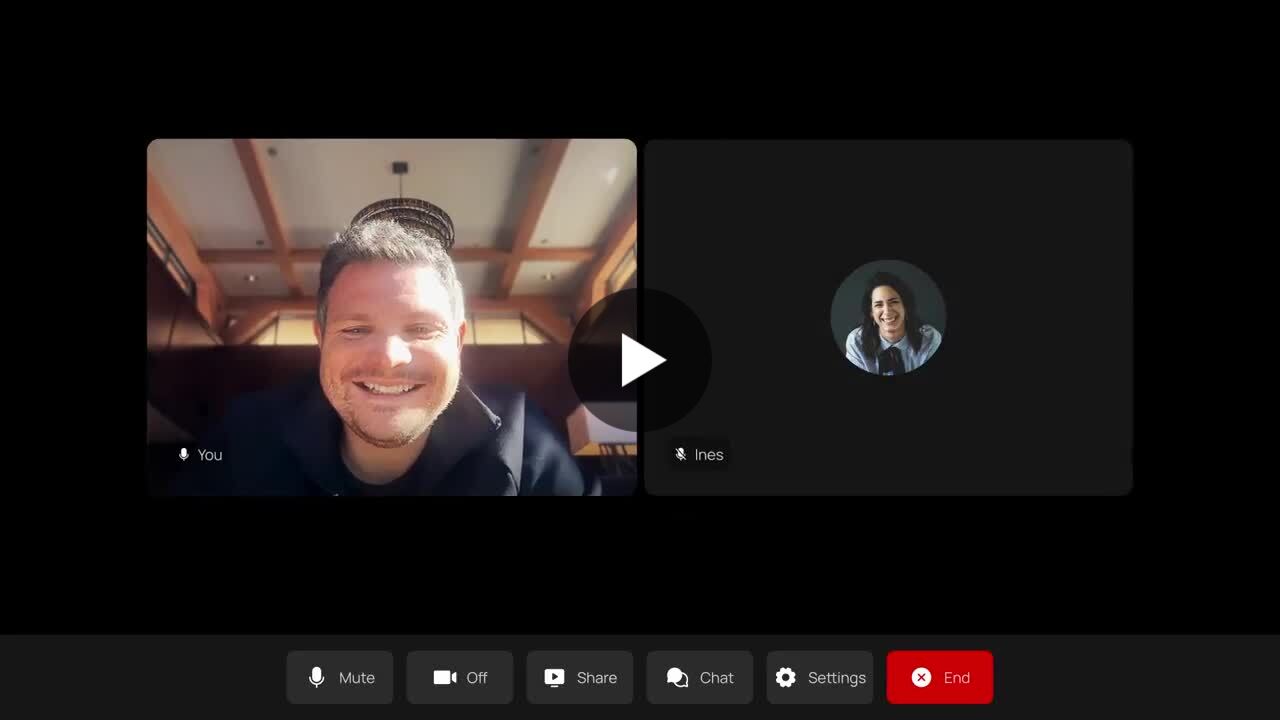
Conor Grennan — Claude joins your team video calls, takes part in the conversation, and whiteboards live.
 Joshua Hasty
Why I saved it
The fact that we've all got note takers in our calls now proves people want something that stores the memory of what we talked about. All the time spent remembering what was said, writing up notes, then building something from those notes can be condensed into an agentic workflow. I think the future is voice activated and agent executed. Teams should be talking through problems while agents do the mouse clicks, the typing, and the PowerPoint slides. Putting text boxes into a deck is a waste of my time. What matters is the quality of the thinking that goes into it. I haven't used this one yet, but it's very intriguing to me.
Michael King, resharing Tom Johnson — Writing for chunking
How ingestion chunkers split your pages into the passages an agent actually sees.
 Michael King

Why I saved it
This is a shift I need to make. I'm not great at writing this way. Large language models need a very specific type of writing to truly grasp what's on the page: bottom line up front, key takeaways at the top, FAQs at the end. In AI search, a model can extract one single sentence or one single paragraph and use it as a citation, so every paragraph you write should be able to stand on its own. Not for LinkedIn posts, but for longer form articles, like the ones on Ghost or the newsletter on the FoLD, I need to start doing a better job of this.
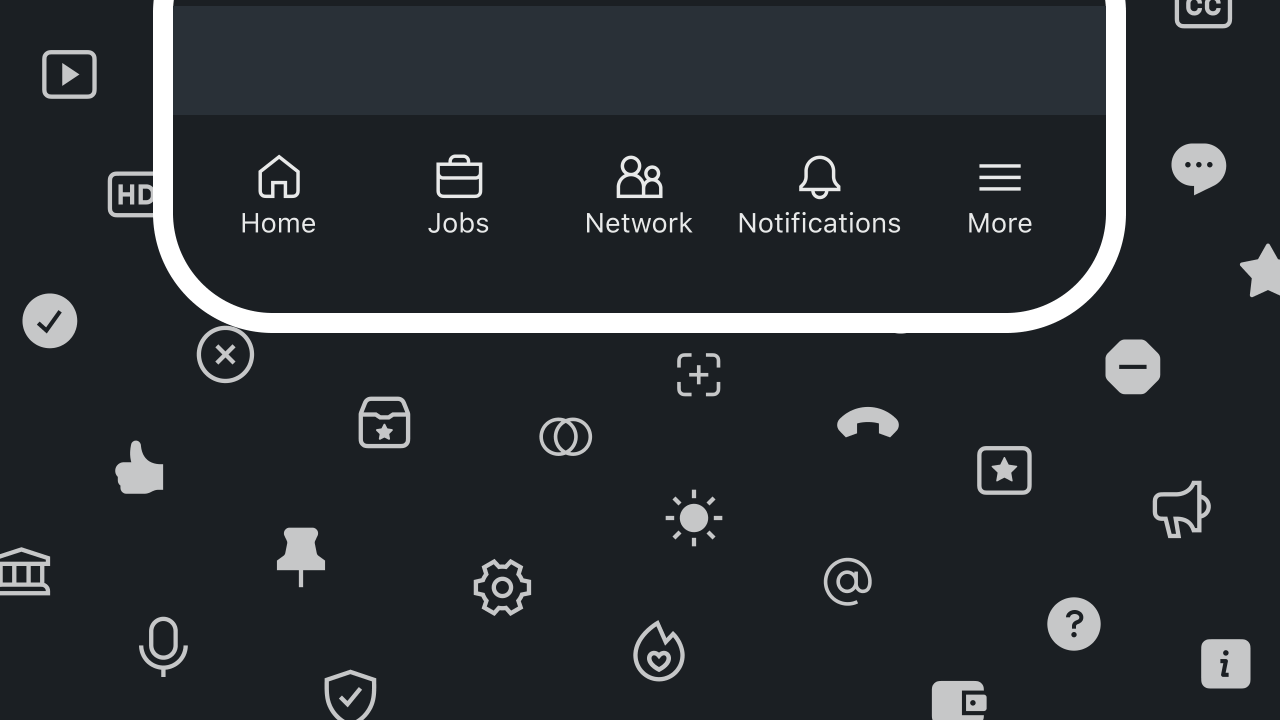
Sarah Alpern (LinkedIn) — LinkedIn's mobile refresh
A new You space, a new More tab, and a redesigned icon system.
 Sarah Alpern
Why I saved it
LinkedIn has been working really hard to make the app a more fluid experience, and I love the direction the platform is heading. They're building a destination where people create content, build thought leadership, and grow their personal brands. I've been doing that on Linkedin since January 2020, and seen their creator strategy evolve a lot in that time. I think it's safe to say they are finally going all-in on becoming a creator platform.
I'm part of their creator marketplace now and I've got brands reaching out to me. They're finally optimizing analytics, making it easier to understand how we're doing, they're recruiting people who know how to build creator programs from TikTok, Instagram, and YouTube, and even the small design tweaks are useful.
My favorite new change: the new For You versus your network feed. People always complain they're not getting seen beyond their own network. That split answers it. Can we stop complaining now?
What is Liam's LinkedIn Picks?
Liam's LinkedIn Picks is my weekly digest of the best posts I save on LinkedIn,with my take on each one. Most picks are about AI visibility, GEO, and agentic AI,because that is where my attention is.
How are the posts chosen?
They come from what I save on LinkedIn during the week. The test is simple: didI learn something? If a post changed how I think about AI visibility or agents, itmakes the cut.
How often does it run?
Every Sunday, numbered by edition. Most editions run five to seven picks.
Who is Liam Darmody?
Liam Darmody is a startup operator based in Apex, North Carolina, with morethan 20 years in customer experience, go-to- market, brand, and GEO. He is VP of Customer Success and GTM Operations at Brandi AI, and he helps people put their personality online.